
Key Takeaways
- Pinellas County tap water contains elevated levels of disinfectant chloramines, sodium, and heavy minerals that accumulate in pot soil over time.
- High mineral concentrations scorch delicate plant roots, prevent proper nutrient absorption, and trigger yellowing leaves or burnt tips.
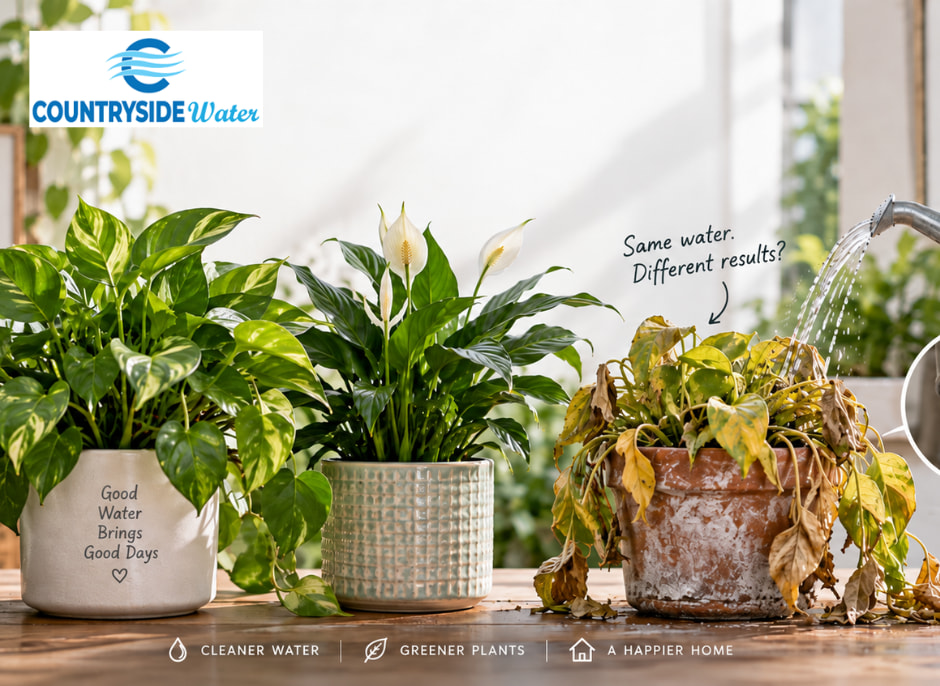
- Sensitive indoor varieties, including peace lilies, suffer visible foliage stress when exposed to standard untreated municipal water.
- Letting tap water sit out overnight does not evaporate chloramines, making physical filtration necessary for long-term plant health.
- Installing an RO Water Filtration System purifies house water down to the molecular level, supplying pristine hydration that promotes lush, healthy growth.
If you regularly notice crisp brown edges or white crusty buildup on your indoor soil, you might ask yourself: is my home’s water killing my plants? For many residents across Pinellas County, Florida, the answer is a frustrating yes.
While local municipal facilities treat municipal supply to meet human drinking safety standards, the specific chemical compounds and mineral profile running through your pipes can quietly damage delicate household foliage.
Why Pinellas County Tap Water Harms Houseplants
The water running through Pinellas County taps originates from a mix of groundwater from the Floridan Aquifer, surface water, and desalinated seawater. Because local aquifer bedrock consists largely of limestone, untreated local tap water is naturally packed with dissolved mineral compounds.
When you spend time watering your plants using untreated tap water, these dissolved solids do not simply disappear. Instead, water evaporates off the foliage and soil surface while leaving heavy minerals like calcium behind.
Over weeks and months, these mineral deposits build up inside containers, creating a high-salinity environment that damages fragile root systems from the ground up.
Chloramines vs. Sensitive Plant Foliage
Unlike simple chlorine, which dissipates into the air when left in an open pitcher overnight, Pinellas County municipal water systems use chloramines (a combination of chlorine and ammonia) for disinfection. Chloramines are extremely stable and remain in the liquid long after it leaves your faucet. While safe for human consumption, chloramines penetrate container soil, kill beneficial soil microbes, and irritate delicate plant roots every single time you irrigate.
High Mineral Density and Soil Toxicity
Hard municipal water contains heavy concentrations of calcium and magnesium. While plants require trace amounts of secondary nutrients, excess calcium and magnesium raise soil pH levels to high alkalinity. When container soil becomes excessively alkaline, it locks out essential micronutrients like iron and manganese. As a result, foliage exhibits stunted growth even if you feed your houseplants regular fertilizer.
Signs Your Household Water is Hurting Your Plants
Plants communicate water quality stress through clear physical symptoms. Recognizing these signs early allows you to correct the issue before permanent root damage occurs.
- Crisp, Brown Leaf Tips: Dissolved salts travel up through stems and collect at leaf tips. As water transpires, salt concentrations scorch healthy leaf tissue.
- White Crust on Pots and Soil: A chalky white or yellow film along inner pot rims or on top of potting mix indicates excessive minerals like calcium building up.
- Stunted Growth and Drooping: High salt concentrations pull moisture away from plant roots through reverse osmosis in the soil, leaving plants constantly dehydrated despite frequent watering.
- Chlorosis (Yellowing Leaves): High soil pH caused by mineral buildup prevents roots from absorbing nitrogen and iron, causing leaves to lose their deep green color.
Sensitive tropical species show damage much faster than hardy succulents. For example, peace lilies are widely known as environmental indicators indoors. When exposed to hard tap water, peace lilies rapidly develop severe tip burn, black leaf spots, and weak stems.
Why Old Water Filters Fail to Protect Your Plants
Many Pinellas County homes rely on aging filter pitchers or outdated carbon systems installed years ago. Standard activated carbon filters excel at reducing basic chlorine taste and odor, but they fall short when protecting delicate soil ecosystems.
- Inability to Remove Dissolved Minerals: Standard faucet or pitcher filters do not remove dissolved inorganic solids, meaning calcium and magnesium pass directly into your watering can.
- Ineffective Chloramine Removal: Standard carbon filters lack the contact time required to split strong chloramine bonds, allowing disinfectants to reach your plant roots intact.
- Bacterial Channeling: Older, unmaintained filter cartridges can harbor bacterial growth or release trapped minerals back into your flow in concentrated spikes.
To protect indoor foliage and eliminate harmful additives, Pinellas County homeowners need advanced physical filtration designed to tackle tough regional water profiles.
The Best Filtration Solutions for Healthy Plants
Upgrading your home filtration setup removes toxic additives while restoring balance to your household water supply.
| Feature | Standard Pitcher / Old Filter | RO Water Filtration System | Whole Home Water Filtration System |
| Chloramine Removal | Poor to Minimal | Excellent (95%+ Reduction) | Excellent |
| Dissolved Mineral Removal | None | High (Removes 95–99% of TDS) | Moderate to High (System Dependent) |
| Root System Protection | Low | Maximum | High |
| Household Utility | Drinking Pitcher Only | Dedicated Kitchen Tap / Ice | Every Faucet & Appliance |
Installing an RO Water Filtration System
An RO Water Filtration System offers the gold standard solution for plant care and indoor hydration. Reverse osmosis forces tap water through a semi-permeable membrane with microscopic pores. This process strips away up to 99 percent of total dissolved solids, including chloramines, heavy metals, sodium, and excess calcium.
Water purified by reverse osmosis mimics natural, clean rainwater. Switching to reverse osmosis protects fragile root systems, halts leaf tip burn, and allows sensitive varieties like peace lilies to thrive with vibrant foliage.
Adding a Whole Home Water Filtration System
For comprehensive protection across every fixture, a Whole Home Water Filtration System targets municipal disinfectants before they enter your plumbing. A whole-home setup removes harsh chemicals across all sinks, showers, and outdoor spigots, protecting your indoor houseplants, garden beds, plumbing fixtures, and skin health simultaneously.
Frequently Asked Questions
Why are my peace lilies turning brown at the tips?
Peace lilies are extremely sensitive to fluoride, chloramines, and hard minerals present in municipal water. Mineral salts accumulate in the foliage edges as water evaporates, causing crisp brown margins. Switching to purified reverse osmosis water prevents this damage.
Does letting tap water sit overnight remove chloramines?
No. While traditional chlorine evaporates when exposed to air, chloramines remain stable in liquid for days. Letting water sit out overnight will not lower chloramine levels or protect your plant roots.
Is an RO Water Filtration System better for plants than a basic pitcher filter?
Yes. Pitcher filters rely on simple carbon media that cannot filter out dissolved minerals like calcium or heavy salts. An RO system uses a semi-permeable membrane to strip away almost all dissolved solids, yielding pure water ideal for indoor flora.
Will a Whole Home Water Filtration System remove hard minerals like calcium?
A whole-home carbon filtration system effectively removes chloramines, pesticides, and chemical odors. To remove hard minerals like calcium completely, combine your whole-home filter with a dedicated reverse osmosis unit or water softener.
Give Your Plants Pure Hydration with Countryside Water
If untreated municipal water is taking a toll on your houseplants, appliances, and drinking water, it is time for an upgrade. Countryside Water specializes in high-efficiency filtration systems tailored specifically to the unique mineral profile of Pinellas County tap water. Whether you need an advanced RO Water Filtration System for pristine drinking water or a Whole Home Water Filtration System to protect every tap in your house, our experienced team will guide you to the perfect solution.
Stop letting heavy minerals and chloramines damage your plant roots and plumbing fixtures.