
What Pinellas County Residents Need to Know About Chlorine and Chloramine
Chlorine vs. chloramine is the difference between a volatile gas and a stable chemical compound used for water disinfection. While standard carbon filters remove simple chlorine, they fail to effectively remove chloramines (chlorine bonded with ammonia), which are widely used by Pinellas County Utilities.
Residents in Largo require catalytic carbon filtration to break this bond and remove the chemical taste and odor.
The Invisible Switch in Your Water Supply
You bought a high-end pitcher filter or rely on the filter inside your refrigerator, yet the water still tastes like a swimming pool. Your coffee has a chemical aftertaste, and your skin feels itchy after a shower.
The problem is not that your filter is broken. The problem is that it was designed for the wrong chemical.
For decades, water utilities across the United States used free chlorine to sanitize public water. It worked well, but it had a flaw: it evaporated too quickly.
In the Florida heat, water traveling through miles of pipe, from Lake Seminole to a home near the East Bay Drive corridor, would lose its disinfectant power before reaching the tap.
To fix this, Pinellas County Utilities and many water treatment plants switched to chloramines. This shift solved the utility’s problem of keeping water clean over the long term, but it created a new problem for homeowners.
Standard carbon filters cannot keep up with this tougher chemical compound.
What is the Difference Between Chlorine and Chloramine?
To understand why your filter is failing, you have to look at the basic chemistry.
Chlorine is a highly reactive element. It kills bacteria quickly, but it also dissipates quickly. If you fill a pitcher with chlorinated tap water and leave it on the counter overnight, the chlorine will mostly gas off into the air.
Chloramine is different. It is created by adding ammonia to chlorine. This bond stabilizes the chlorine, allowing it to stay in the water for days or weeks. This stability is why water travels through pipes safely from the plant to the furthest neighborhoods in St. Petersburg or Largo without bacterial regrowth.
The tradeoff is that this bond is hard to break. The same stability that helps the utility company makes the chemical difficult to remove once it enters your home.
Why Standard Carbon Filters Fail in Largo
Most off-the-shelf filters, including pitcher filters and standard whole-home water filtration system units, use Granular Activated Carbon (GAC). GAC works through adsorption. The contaminants stick to the surface of the carbon like a magnet.
This works perfectly for free chlorine. However, chloramine is a “heavier” and more complex molecule.
When chloramine hits a standard carbon filter, two things often happen:
- The Bypass: The water flows through the filter too fast. Chloramine requires a much longer “contact time” with the carbon to be removed.
- The Ammonia Gap: The filter might strip away the chlorine part of the molecule, but let the ammonia pass right through. This leaves you with water that still smells off and has not been fully purified.
The Solution: Catalytic Carbon Filtration
If you live in Pinellas County, you need a filter media designed specifically for this chemical bond. This is where catalytic carbon filtration comes in.
Catalytic carbon is not just standard charcoal. It undergoes a specialized process that alters its surface structure. This modification allows it to initiate a chemical reaction (catalysis) rather than just relying on sticky adsorption.
When chloramine enters a catalytic carbon tank, the media acts as a catalyst to aggressively break the bond between the chlorine and ammonia. It separates them and effectively removes both.
This process happens much faster than with standard carbon, which means it works effectively even at the high flow rates of a busy household.
The Hidden Risks of Chloramines for Homeowners
Beyond taste and odor, the presence of chloramine in your tap water carries other implications for your home and health.
Plumbing Damage: Chloramines are corrosive to rubber. You may notice that the black rubber flappers in your toilets degrade and turn into mush faster than expected.
The same degradation happens to rubber gaskets and O-rings in your appliances and water distribution system.
Skin and Hair Issues: Many residents complain that water quality in Largo leaves their skin feeling dry or “sticky” and their hair brittle. This is often a reaction to the ammonia component in the water.
A standard water softener removes hardness minerals (calcium), but it does not remove chemicals. You need a catalytic carbon filter to address the chemical irritation.
Specialized Health Risks: For most people, chloraminated water is safe to drink, according to the Environmental Protection Agency EPA. However, there are specific exceptions:
- Kidney Dialysis: Chloramines can be deadly if they enter the bloodstream directly. Dialysis patients must have specialized heavy-duty filtration.
- Aquariums: Chloramines are toxic to fish and aquatic life. Because the chemical does not gas off, you cannot just let the water sit before adding it to a tank. It must be chemically treated or filtered.
Why Countryside Water is the Local Authority
We do not believe in “one size fits all” solutions. A system that works in a state with well water will fail in Largo, Florida.
We know the Maintenance Schedule: Pinellas County Utilities occasionally switches back to free chlorine for short periods to flush the lines. This is often when residents notice a strong bleach smell. We design systems that handle both disinfection methods effectively.
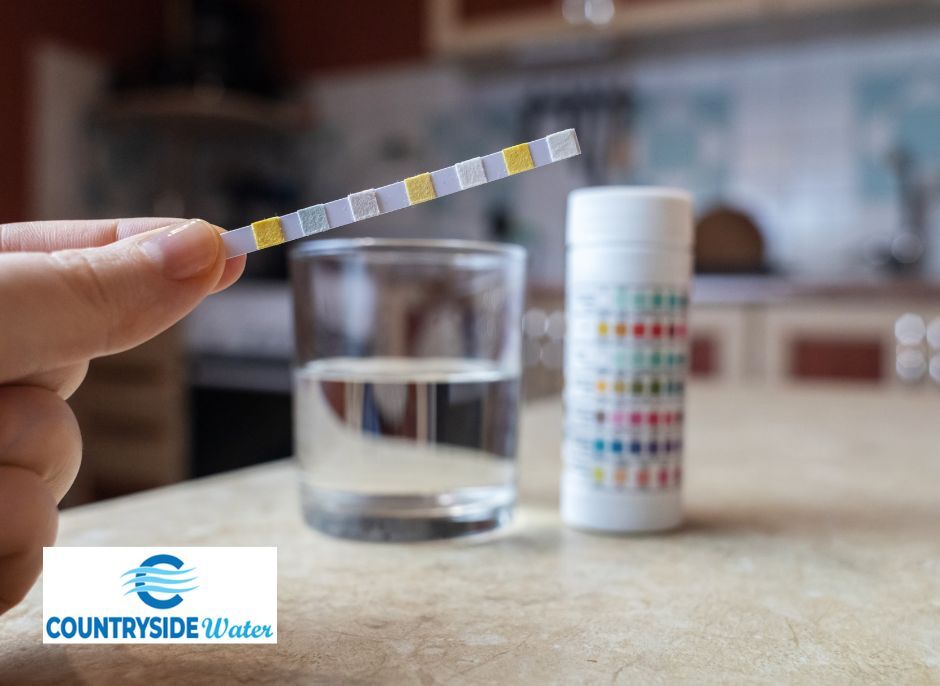
We test for “Total” vs. “Free”: Most free water tests only check for free chlorine. This gives you a false reading of zero, even when your water is full of chloramines. Countryside Water tests for Total Chlorine, which reveals the true chemical load in your drinking water.
Custom Cubic Footage: We build house water filtration system units based on the size of your home. A small canister filter from a big box store does not hold enough carbon media to provide the contact time needed for chloramine removal. We size the tank to ensure the water touches the catalytic carbon long enough to do the job.
FAQs
Can I remove chloramine by boiling water?
Chloramine is extremely stable. Unlike chlorine, it will not boil off or evaporate effectively. You need chemical filtration to remove it.
Does a water softener remove chloramine?
Water softeners remove hard minerals like calcium and magnesium. They do not remove chemicals. You need a separate carbon filter or a combination system.
Is chloramine safe to drink?
Yes, for the general public, it meets EPA safety standards. However, it can alter the taste of water, dry out skin, and is dangerous for fish or dialysis equipment.
How do I know if I have chloramines?
If you pay a water bill to Pinellas County or the City of Largo, you almost certainly have chloramines. We can confirm this with a simple on-site water test.
How often does catalytic carbon need replacement?
For a properly sized whole-home tank, the media typically lasts 3 to 5 years. This depends on your water usage and the chemical levels in your local supply.
Get Better Water in Your Home Today
You do not have to settle for water that smells like a pool or dries out your skin. The right technology exists to fix it. Countryside Water specializes in building systems that handle the specific water chemistry of Tampa Bay.
We will test your water, explain the results, and recommend a system that protects your plumbing and your family.
Schedule a Free Consultation Today to see exactly what is in your water.