
Key Takeaways:
Hard water in Palm Harbor homes comes from the underground limestone aquifer. The local water absorbs high amounts of Calcium and Magnesium, averaging 10 to 12 grains per gallon (GPG). This dissolved Product Mineral Content causes limescale on faucets and spots on dishes. Installing a high-efficiency water softener removes these minerals, protecting your appliances and plumbing.
__________________________________________________________________________________________________
If you live in Palm Harbor, FL, you probably deal with white crust on your showerheads. This crust is the direct result of hard water that Palm Harbor’s infrastructure pumps into your home. The water supplied to Pinellas County looks clear, but it carries a heavy hidden payload.
When you understand your Water Quality Report, you realize why your soap refuses to lather. Local families notice gray film on dishes and stiff clothes straight out of the laundry.
What is the exact water hardness GPG Pinellas County records?
The average water hardness in Pinellas County reports sits between 10 and 12 grains per gallon. Water professionals classify anything over 10.5 GPG as “very hard.” This means every gallon of tap water entering your home carries over ten grains of dissolved rock. Over a single year, hundreds of pounds of rock pass through your pipes. You cannot see it at first, but the damage accumulates daily.
Where do these minerals come from?
The harbor water and underground wells sit on a massive bed of limestone. As water filters through the ground, it dissolves Calcium and Magnesium. This liquid rock flows right through your filtration systems unless you have specialized water treatment equipment.
How does hard water affect your Palm Harbor home?
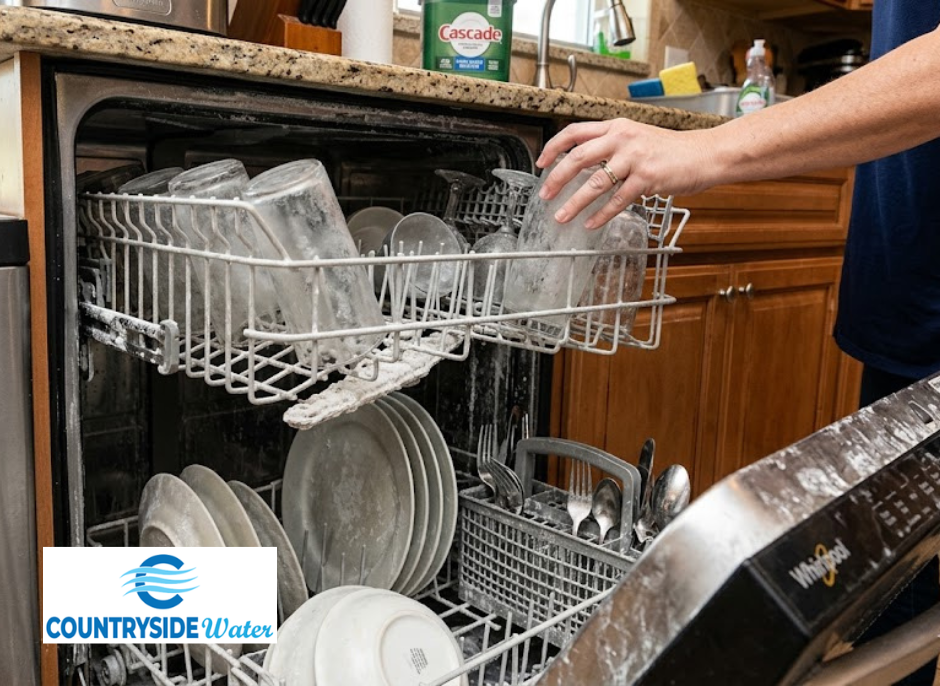
Hard water leaves limescale on faucets, destroys clothing fibers, and shortens the lifespan of dishwashers and washing machines. When hard water dries, it leaves behind the Product Mineral Content. This chalky residue clogs valves and ruins appliance pumps.
Your dishes come out cloudy no matter how much soap you use. It forces you to scrub your bathroom surfaces twice as often.
What are the main benefits of fixing hard water?
Removing these minerals gives you immediately softer hair and better skin. Soap washes away completely instead of forming a sticky film on your body.
Your laundry comes out brighter using half the detergent. Cleaning becomes simple because you no longer scrub stubborn rock deposits off glass shower doors.
Is hard tap water safe to drink?
Yes, hard tap water is completely safe to drink. The human body processes these minerals easily. In fact, these minerals do not impact the nervous system or parts of the brain. However, the high mineral count makes your drinking water taste metallic or chalky.
Many homeowners find the flavor unappealing. It alters the taste of your morning coffee and homemade iced tea.
How can you improve the taste of your drinking water?
A reverse osmosis system filters out dissolved solids at the molecular level. This system forces water through a semipermeable membrane. It strips away the heavy minerals, chlorine, and impurities. You get crisp, bottled-quality water straight from a dedicated faucet.
How do you fix hard water permanently?
The only reliable fix for hard water is a whole-house water softener. A softener uses ion exchange to trade hardness minerals for tiny amounts of sodium. This process stops the model buildup of scale inside your plumbing lines and appliances. Every appliance model suffers from internal buildup when running on raw Florida water.
Soft water flows through your system effortlessly without leaving rock behind.
What if your existing softener stops working?
If your system breaks, you need professional water softener repair Clearwater techs who understand local conditions. A broken system lets hard water flood your home instantly, bringing back the crusty white scale overnight.
FAQs
Is Pinellas County water hard or soft?
Pinellas County water is very hard. It averages 10 to 12 grains per gallon due to the deep limestone aquifers across the region.
Can hard water cause skin irritation?
Yes. Hard water prevents soap from dissolving completely. It leaves a soap scum film on your skin that clogs pores, traps bacteria, and causes dryness or irritation.
What is the difference between a water filter and a water softener?
A water filter removes contaminants like chlorine, chemicals, and sediment. A water softener specifically targets and removes calcium and magnesium minerals through ion exchange.
How long does a whole-home water softener last in Florida?
A high-quality water softener typically lasts 10 to 15 years in Florida. Regular maintenance and using the right salt help maximize its lifespan.
Professional Local Water Solutions
Fixing your home’s water requires the right equipment and local expertise. Countryside Water is a veteran and family-owned business with 43 years of experience helping neighbors across the Tampa Bay area.
We provide honest service, reliable water softener systems, and fast same-day or next-day service to get your home back to normal. We proudly offer veteran and senior discounts to support our community.
Schedule your water test and protect your home today.