
Key Takeaways
- Reverse osmosis water is tap water purified through a semi-permeable membrane that strips away tiny pollutants.
- The reverse osmosis process removes up to 99 percent of total dissolved solids, heavy metals, and chloramines from municipal supplies.
- Pinellas County tap water contains hard minerals and treatment chemicals that affect taste, plumbing fixtures, and overall water quality.
- Clean, chemical-free water improves the taste of drinking water, coffee, ice, and home-cooked meals.
- Installing a reverse osmosis RO system gives your home high-quality water far superior to basic pitcher filters.
Access to clean, refreshing water is essential for a healthy lifestyle. Yet, many homeowners overlook the quality of the liquid flowing from their kitchen faucets. If you live in Pinellas County, you might ask: what is reverse osmosis water, and how can it benefit your household?
Reverse osmosis water is clean water made by pushing tap water through a special filter membrane. This process strips out chemicals, heavy metals, and extra minerals. If your Pinellas County home relies on old plumbing or standard filter pitchers, switching to reverse osmosis drinking water provides pure, reliable hydration for your entire home.
How Does a Reverse Osmosis System Work?
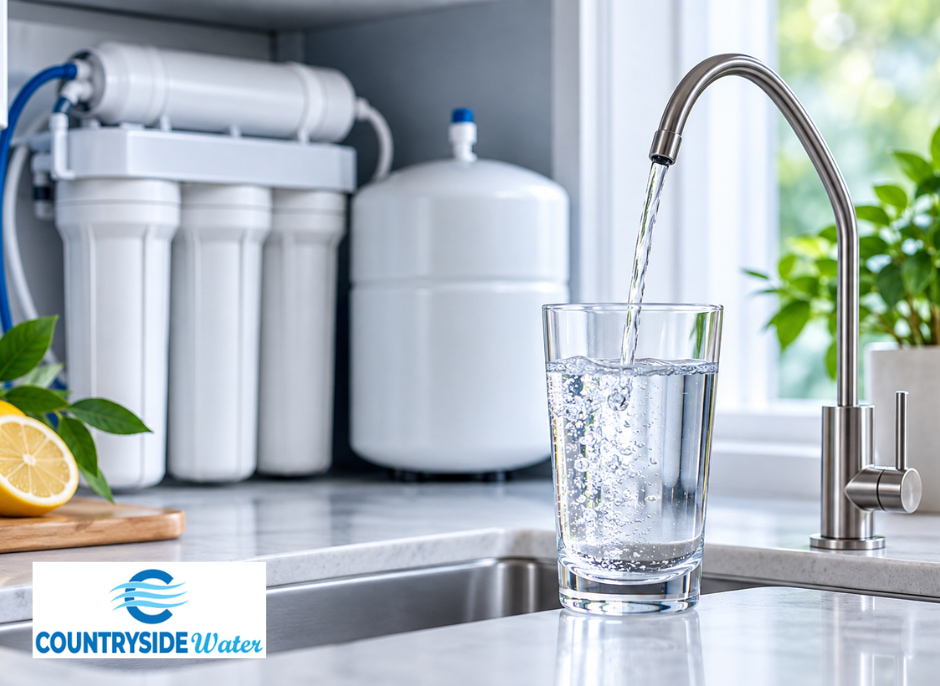
It helps to see how a reverse osmosis system works in a normal home. Simple filters just trap big dirt in charcoal. Reverse osmosis filtration goes further. It uses water pressure to clean water at the smallest level.
- Pre-Filtration: Tap water passes through carbon filters to catch dirt, rust, and chlorine.
- Membrane Separation: The system forces water under high pressure against a synthetic reverse osmosis membrane. This semi-permeable membrane has tiny holes that allow only clean water molecules to pass through.
- Contaminant Rejection: Pollutants and minerals that cannot fit through the RO membrane flush down the drain.
- Storage Tank: The clean water produced rests inside a sealed storage tank until you turn on your tap.
- Post-Filtration: A final filter polishes the water right before it fills your drinking glass or cooking pot.
This multi-stage water filtration method gives you clean water whenever you need it.
What Contaminants Do Reverse Osmosis Systems Remove?
Pinellas County treats local water to meet safety laws. Still, the water supplied to your tap carries leftover chemicals, minerals, and metals from aging pipes.
So, what do reverse osmosis systems remove?
- Total Dissolved Solids: Heavy calcium, magnesium, and salt that cause hard water buildup.
- Heavy Metals: Lead, copper, and arsenic that gather in older home plumbing.
- Disinfectants: Chlorine and chloramines used for municipal water treatment.
- Chemical Compounds: Bug sprays, drugs, and volatile organic compounds VOCS.
- Biological Impurities: Tiny parasites, germs, and cysts.
Removing these items boosts your local water quality. It makes water safer and cleaner for drinking, cooking, and daily household use.
The Daily Benefits of Reverse Osmosis Water
Unfiltered municipal water affects more than just a quick drink from the tap. High mineral counts and treatment chemicals change how your water tastes, smells, and performs in the kitchen.
Healthier Everyday Hydration
Tap water packed with chloramines and heavy metals often has a harsh, chemical odor or metallic aftertaste. When water tastes unpleasant, people naturally drink less of it. Providing clean, purified reverse osmosis drinking water encourages your entire family to stay properly hydrated throughout the day without unwanted chemicals or excess total dissolved solids.
Better Tasting Food and Beverages
Hard minerals and disinfectants interfere with the delicate flavors of your favorite drinks and dishes. Brewing coffee or tea with purified water reveals richer, cleaner flavors. Cooking pasta, soups, and rice in reverse osmosis water prevents harsh municipal chemicals from absorbing into your food.
Pitcher Filters vs. an Osmosis Drinking Water System
Many homeowners rely on desktop pitcher filters. However, standard pitchers only use simple carbon to adjust taste and reduce basic chlorine.
Pitchers leave behind chloramines, fluoride, heavy metals, and hard minerals. An osmosis drinking water system uses water pressure and physical filters to strip pollutants that simple pitchers miss. Installing a full reverse osmosis RO system gives your home the cleanest water possible.
Frequently Asked Questions
Is reverse osmosis drinking water safe for daily human consumption?
Yes. Reverse osmosis water is safe, clean, and healthy for your family. It removes harmful heavy metals, chloramines, and chemical contaminants that strain your body.
Why is tap water in Pinellas County tough on home plumbing and fixtures?
Local tap water contains high levels of calcium and magnesium from regional aquifers, as well as chloramines. These hard minerals create chalky scale buildup inside pipes, coffee makers, and ice machines.
Does reverse osmosis remove chloramines and volatile organic compounds vocs?
Yes. The combination of carbon pre-filters and the specialized RO membrane removes chloramines, pesticides, and volatile organic compounds vocs effectively.
How long does the storage tank take to fill?
Most home units fill their storage tank in two to three hours. This means your family always has clean water ready whenever you turn on the faucet.
Call Countryside Water for a New Home Water Filtration System
Do not let harsh municipal tap water affect your household health and comfort. Upgrading your home water quality is easy with Countryside Water. We offer full reverse osmosis systems built specifically for the unique water conditions in Pinellas County.