Key Takeaways
- Reverse osmosis water is tap water pushed through a fine membrane to remove 99 percent of minerals and chemicals.
- Vet clinics in Pinellas County use reverse osmosis water to protect autoclaves, dental units, and tools from scale build-up.
- Clean water without chemical smells encourages sick and recovering pets to drink more during clinic stays.
- Disinfectants like chloramines in tap water can alter lab tests and irritate animal skin during baths.
- Commercial reverse osmosis systems supply steady, medical-grade water built for busy local pet hospitals.
Running a great vet practice in Pinellas County requires clean tools, good equipment, and strong patient care. Clinic owners invest heavily in medical gear and surgical rooms. Yet, many people overlook the water coming out of their taps.
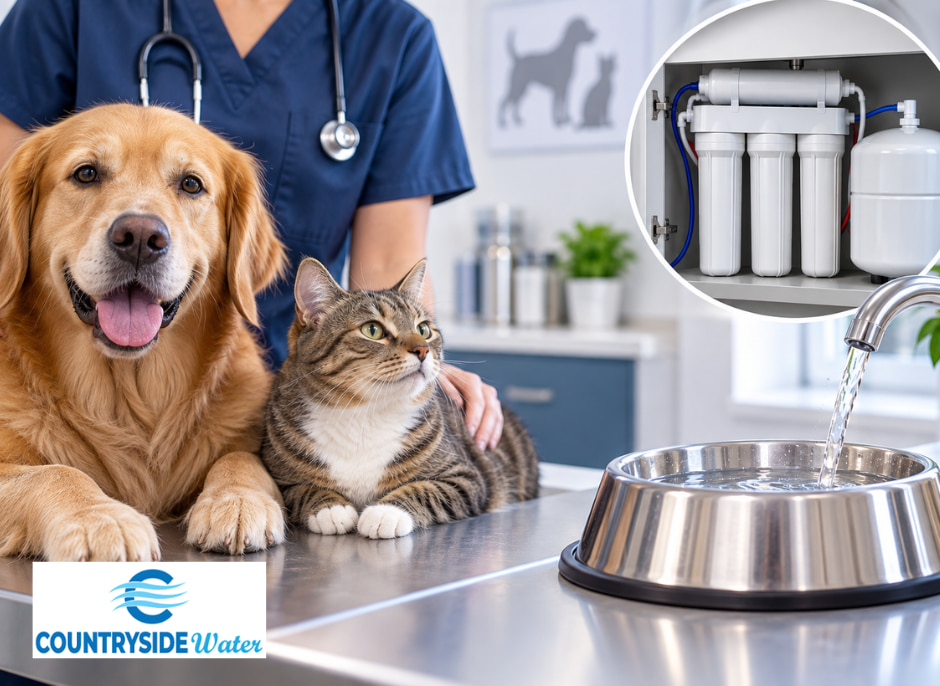
Pinellas County tap water carries high levels of hard minerals, chloramines, and total dissolved solids. Running raw tap water through your clinic can damage equipment, mess up lab samples, and irritate recovering animals. Installing a commercial reverse osmosis system ensures your vet clinic uses pure water in every room.
Why Pinellas Tap Water Damages Equipment and Hurts Care
City plants treat tap water to meet basic safety laws. Still, standard tap water is not clean enough for a modern animal hospital.
Water across Pinellas County comes from underground sources high in limestone. This creates hard water full of calcium and magnesium. Local water plants also add chloramines to clean supply pipes. In a vet clinic, these items cause real problems:
- Equipment Scale: Hard minerals bake onto heating parts in autoclaves and dental tools. This causes rust, clogs, and costly repairs.
- Lab Test Errors: Chloramines and metals in tap water can mess up in-house blood tests and chemical work.
- Patient Stress: Animals smell harsh chemicals in tap water. This causes them to refuse drinking water after surgery.
Main Uses for Reverse Osmosis Water in a Vet Office
Reverse osmosis pushes tap water through a special filter membrane under pressure. This process removes dissolved solids, germs, metals, and treatment chemicals. Having reliable reverse osmosis water helps your practice run smoothly every day.
| Clinic Need | Problem with Local Tap Water | Benefit of Reverse Osmosis Water |
| Autoclaves and Sterilizers | Mineral scale clogs steam lines and spots tools | Zero minerals keep tools clean and extend machine life |
| Pet Recovery Hydration | Chemical odors make pets avoid drinking water | Clean taste encourages pets to drink and stay hydrated |
| In-House Lab Testing | Extra minerals change chemical reactions in tests | Pure water gives reliable, accurate lab results |
| Medical Grooming and Baths | Chlorine strips skin oils and irritates raw skin | Pure water calms sore skin during baths |
Protecting Expensive Medical Gear
Vet autoclaves, tool cleaners, and dental units need clean steam and water lines. When hard Pinellas County tap water heats up inside an autoclave, calcium leaves behind thick white scale.
Over time, these mineral crusts clog steam lines and destroy heating parts. They also leave dull spots on stainless steel tools. Repairing or replacing sterilization gear costs thousands of dollars. Feeding pure reverse osmosis water directly to your machines stops scale buildup and protects your investments.
Supporting Animal Recovery and Health
Clean water is key to animal healing. Pets recovering from surgery or illness need pure water without chemical strain.
- Better Hydration: Dogs and cats have a very strong sense of smell. They quickly smell chloramines in tap water, which stops them from drinking. Reverse osmosis removes these odors so pets drink freely.
- Less Organ Strain: Sick pets with kidney or bladder issues struggle to process heavy minerals. Purified water lowers stress on animal organs during recovery.
- Safer Wound Care: Cleaning tissue or washing sore skin with chemical-free water prevents irritation caused by tap chemicals.
Frequently Asked Questions
Why can’t our vet clinic rely on basic carbon filters?
Carbon filters improve chlorine taste, but they cannot remove dissolved minerals like calcium or heavy metals. Reverse osmosis systems use pressure and fine filters to strip out minerals that destroy medical tools.
Will a reverse osmosis system supply enough water for a busy clinic?
Yes. Commercial setups use large storage tanks and pumps to handle high daily water use in vet clinics and animal hospitals.
Does reverse osmosis water stop spots on surgical tools?
Yes. Spots happen when hard water dries on metal tools inside autoclaves. Reverse osmosis water has almost zero minerals, so tools dry spot-free.
Call Countryside Water for Veterinary Water Systems
Protect your clinic’s tools, lab work, and patient health with a custom water system built for Pinellas County. Countryside Water builds commercial water systems designed for local vet clinics and pet hospitals.
Call Countryside Water today to learn how reverse osmosis can help your practice!